Español
 Franch
  русский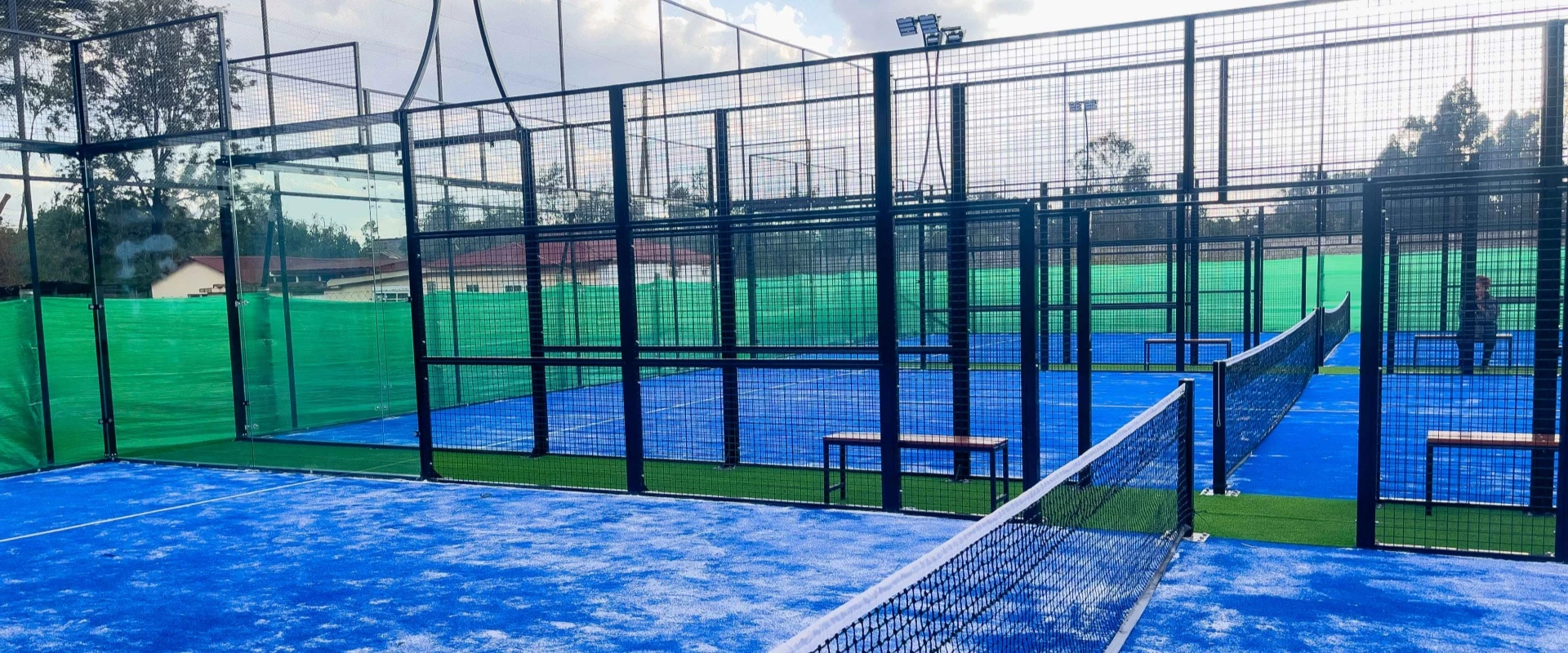
Building Padel Court in Australia: Qualifications and Industry Benchmarks
In Australia, padel tennis is booming at an astonishing pace, with investment surging from community courts to commercial clubs. However, legal and compliant construction of Padel Courts is a core prerequisite for project implementation – from government permits and building qualifications to international standard certifications, none can be lacking. This article will systematically break down the essential qualifications for building Padel courts in Australia, benchmark against industry standards, and, combined with UNIPADEL's professional experience, provide you with a one-stop compliant construction solution.
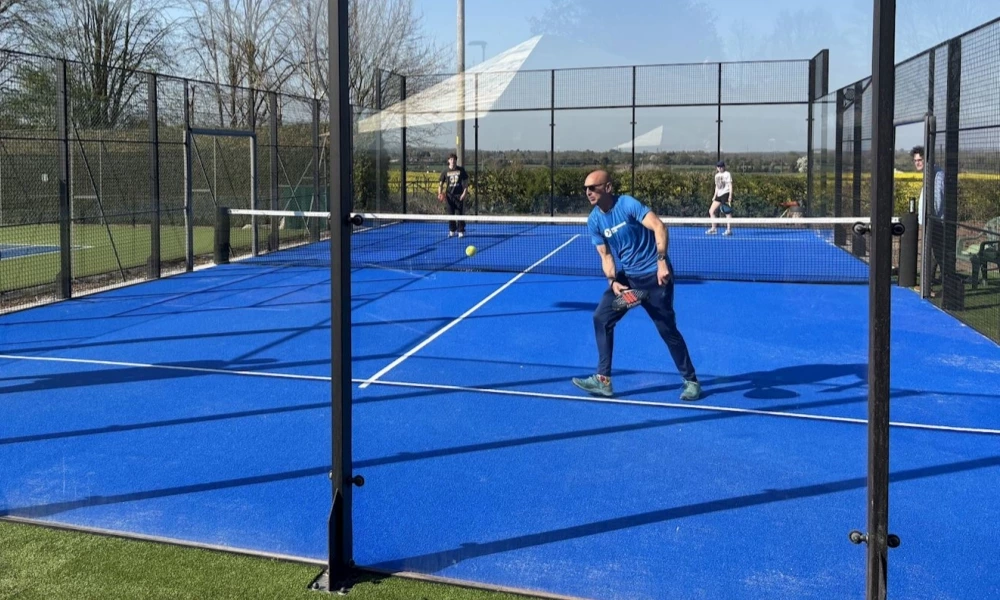
What are the core qualifications required to build a Padel Court in Australia?
Padel Courts fall under the category of sports facility construction projects, similar to prefabricated container house. They must simultaneously meet three major systems: Australian building regulations, local planning requirements, and sports-specific standards. The core qualifications can be divided into four categories:
1. Government Planning and Building Permits
This is the "ticket" to all padel court projects. Approved by the local council, it's the foundation for legal construction:
- Planning Permit: Confirms the site's suitability for commercial/sports/mixed use (residential land approval is more stringent). Requires submission of site plans, noise control plans, anti-glare lighting plans, drainage designs, and an impact assessment on surrounding residents.
- Building Permit: Issued by a licensed building permit holder. Requires submission of complete construction drawings, structural calculations (including Australian wind/snow load standards), fire safety and accessibility designs, ensuring compliance with the Australian Building Code (NCC).
- Land Use Compliance Certificate: Confirms site ownership/leasehold rights and compliance with local government sports facility land use policies.
2. Construction Qualifications
The Australian construction industry operates under a strict licensing system. Construction companies must possess the corresponding qualifications; individuals and unqualified teams are strictly prohibited from undertaking projects:
- Commercial/large-scale Padel projects require a commercial builder's license;
- Small community sports fields can be undertaken by a residential builder's license, but a minimum project value must be met.
3. International and Australian Standard Certifications
Padel Court adheres to specific international standards. Australian projects must simultaneously meet both FIP (International Board of Plate Tennis) and Australian local safety regulations:
- FIP Certification: Full compliance is required for court dimensions (20m x 10m), net height (3m), glass thickness (≥12mm tempered), surface performance, net height (0.88m center / 0.92m posts), making it essential for tournament-level courts.
- Australian Safety Certification: Glass must meet Australian safety standards (AS/NZS 2208), steel structures must comply with Australian structural engineering codes, and electrical systems must pass Australian electrical safety testing (AS/NZS 3000).
- Third-Party Inspection Reports: Professional inspection reports on the basic structure, net stability, and surface performance are essential documents for operation and insurance.
4. Operational and Insurance Qualifications
- Public Liability Insurance: Coverage of ≥ AUD 10 million, covering player/visitor accident risks; mandatory for sports facilities in Australia.
- Product Liability Insurance: Covers the quality of stadium materials and construction, ensuring long-term safety.
- Commercial Operating Permit (if open to the public): A sports venue operating license issued by the local government, including proof of compliance with hygiene, safety, and operating hours regulations.
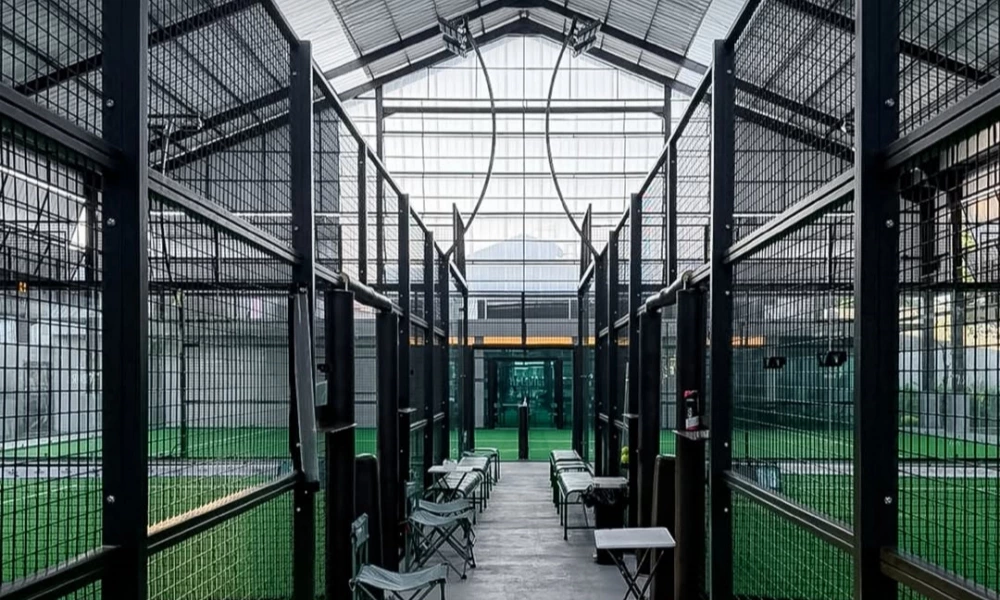
Which Australian industries does Padel Court construction benchmark against?
Padel Court construction is not a single trade, but a composite field of "sports facilities + architectural engineering + specialized installation," benchmarking against three core industries:
1. Sports Venue Construction Industry (Most Core Benchmark)
- Benchmark against: Construction of professional sports venues such as tennis courts, basketball courts, and volleyball courts.
- Commonality: Both must meet sports-specific standards (dimensions, surface layer, fencing), foundation drainage design, lighting systems, and safety protection. The core processes (planning → foundation → paving → fencing → acceptance) are highly consistent.
- Differences: Padels require fully enclosed glass/steel mesh fencing, stricter FIP dimensional tolerances (±0.5%), and special rebound performance requirements, resulting in higher technical complexity.
2. Commercial Building/Light Steel Structure Industry
- Benchmark against: Suppliers of prefabricated container houses, commercial showrooms, and glass curtain wall projects.
- Commonalities: Requires a builder's license, structural engineering calculations, glass/steel structure installation qualifications, fire safety and accessibility compliance, and adherence to NCC building codes.
- Differences: Padel structures are lighter, but must withstand high-speed impacts from balls, requiring specific glass anchoring and steel structure stability, necessitating specialized structural design.
3. Sports Surface Paving and Special Engineering Industry
- Benchmarks: Artificial turf paving, resilient sports flooring, swimming pool/venue special flooring projects.
- Commonalities: Requires professional paving qualifications, surface performance testing (anti-slip, shock absorption, durability), base leveling, and drainage.
- Differences: Padel surfaces must simultaneously meet sports performance (rebound, friction) and safety performance (vertical deformation ≥50%), and must be suitable for all-weather outdoor use (Australian UV radiation and rain environment).
Why Choose UNIPADEL for Padel Court Construction in Australia?
In the context of the rapid expansion of the Australian Padel market, compliance, professionalism, and a one-stop service are key to project success. As a leading Padel court solutions provider in Australia, UNIPADEL possesses full-process qualifications and practical experience, solving all your compliance pain points:
1. FIP + Australian Dual Standards: Guaranteed Quality and Safety
All products and construction strictly adhere to the latest FIP standards, while also being adapted to the Australian climate (UV resistant, windproof, corrosion resistant), ensuring a court lifespan of ≥15 years.
We provide authoritative third-party quality inspection reports from Australia, FIP certification documents, and full-chain safety certificates, ensuring the project passes all acceptance tests and operates smoothly.
2. One-Stop Solution: Fully Managed from Design to Operation
We provide a full-process service from site survey, planning and design, construction, fencing installation, lighting systems, and operational guidance, eliminating the need to deal with multiple suppliers.
Customized Solutions for the Australian Market: We have mature and successful implementation cases for various scenarios such as community courts, commercial clubs, hotel facilities, and school facilities.
3. Local Service + After-Sales Guarantee, Worry-Free Operation
Our Australian team is familiar with the local construction environment and supply chain, ensuring controllable project timelines and costs.
We offer a 5-year structural warranty, a 2-year surface warranty, and lifetime maintenance services, solving after-sales challenges in remote areas of Australia.
Compliance is the lifeline of padel court projects in Australia
Investing in padel courts in Australia requires compliance as a prerequisite; everything else is irrelevant. Lacking any license or certification can lead to risks such as construction halts, fines, and operational failure. Choosing UNIPADEL, with its full qualifications, dual standards, and one-stop service, ensures not only the legal implementation of your project but also the creation of a high-quality court meeting international standards, allowing you to seize the golden opportunity for the development of Padel sports in Australia.