Español
 Franch
  русский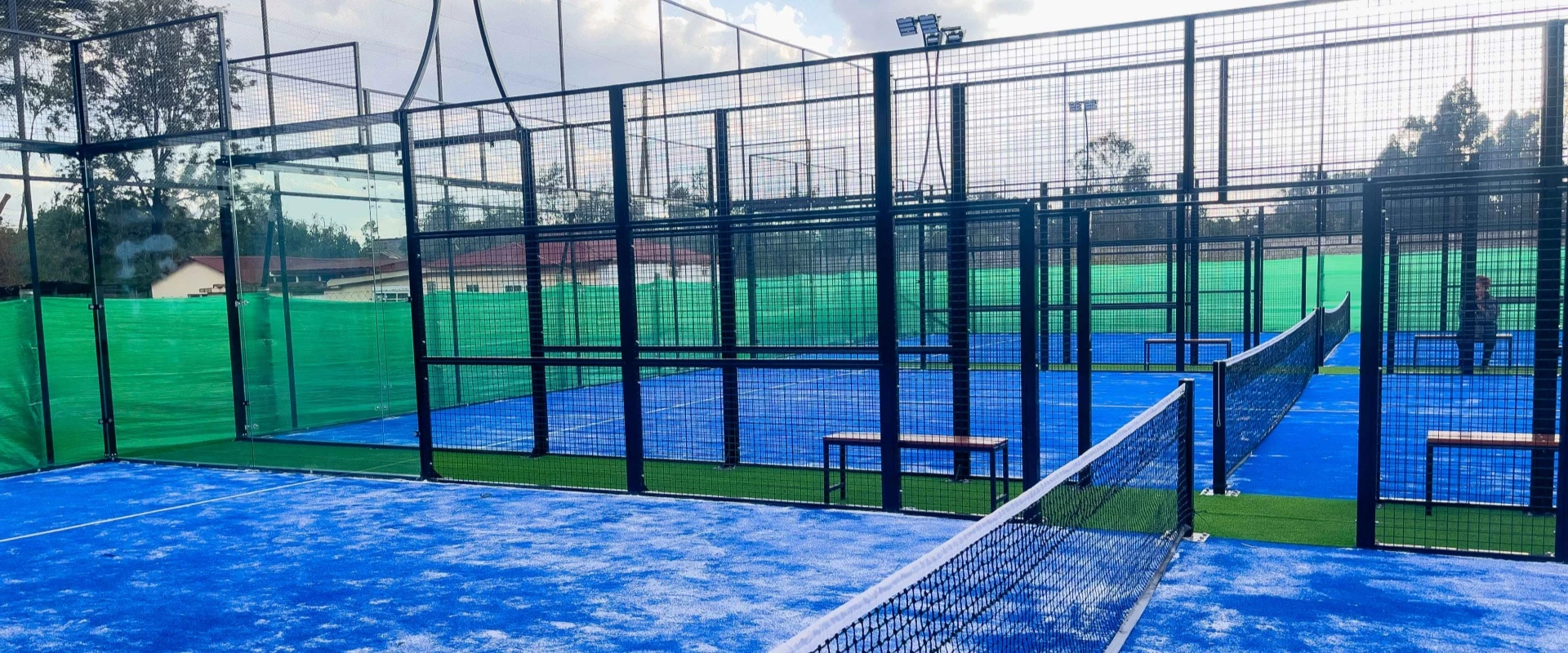
Padel Court ROI in UK : Payback Period, Revenue Model & Cost Breakdown
The UK padel market keeps expanding rapidly, with thousands of new padel courts installed across England, Scotland and Wales every year. For investors, sports club operators, leisure developers and landowners, one question dominates early‑stage planning: what is the ROI and payback period for a padel court in the UK?
Many people search for how profitable a padel court business is, how long to recoup padel court build costs, and whether building outdoor or indoor padel courts delivers better financial returns. There is no one‑size‑fits‑all number, but real‑world industry benchmarks give you clear expectations before you commit capital. In this article from UNIPADEL, professional padel court manufacturer and supplier for UK projects, we break down padel court ROI calculation, typical payback timelines, revenue sources, cost drivers and practical steps to improve your project profitability.
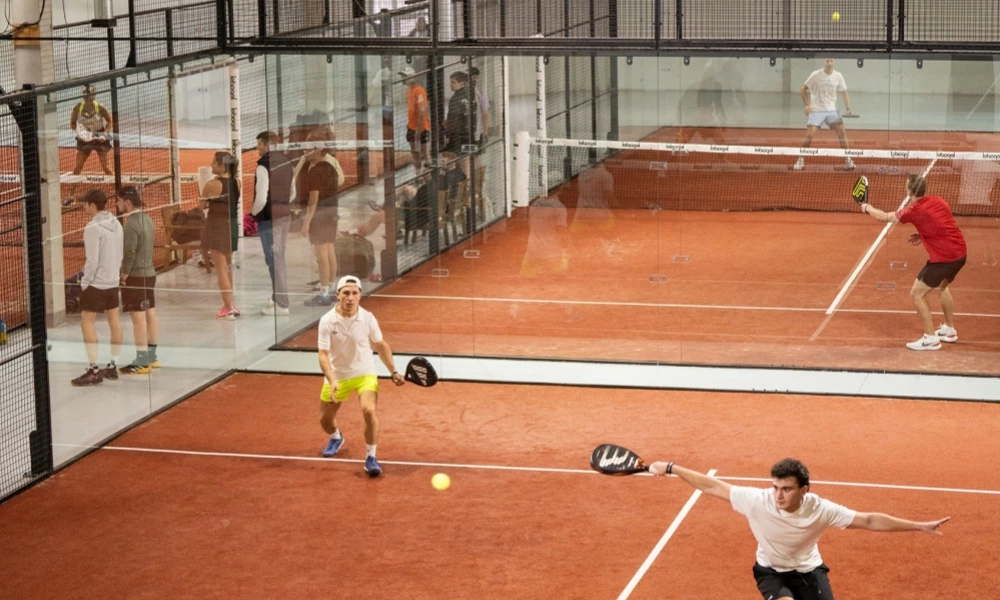
Understanding ROI and Payback Period for UK Padel Court Investments
Before diving into numbers, it is important to separate ROI (Return on Investment) and payback period.
- Payback period: The total time needed for net operating profit to cover your initial padel court capital expenditure (CAPEX).
- ROI percentage: Annual net profit divided by total project investment, showing your yearly percentage return.
For commercial padel facilities in the UK, most operators analyse these metrics based on EBITDA, accounting for court hire income minus maintenance, utilities, insurance, booking platform fees and other running costs.
A critical real‑world detail: nearly every new padel venue sees a ramp‑up phase in the first 12‑18 months after opening. Court utilisation will climb gradually as local players discover your club, so do not expect full booking occupancy from day one. This ramp‑up heavily impacts your actual payback timeline.
Typical Payback Period for a Padel Court in the UK (2026 Industry Benchmarks)
Rather than estimating from benchmarks alone, the table below models two realistic UK padel investment scenarios from first principles — so you can adapt the assumptions to your own site.
| Parameter | Scenario A: 4-Court Urban Indoor | Scenario B: 2-Court Suburban Outdoor |
|---|---|---|
| Total CAPEX | £300,000 | £140,000 |
| — Court hardware (4/2 courts) | £100,000 | £55,000 |
| — Groundworks & civil works | £120,000 | £60,000 |
| — Planning, surveys, legal | £15,000 | £8,000 |
| — Building shell / canopy | £60,000 | £12,000 |
| — Fit-out, lighting, misc | £5,000 | £5,000 |
| Blended hourly rate | £28/hr | £24/hr |
| Operating hours/day | 14 hrs | 10 hrs (weather-adjusted) |
| Target utilisation | 55% | 45% |
| Annual gross revenue | £111,160 | £39,420 |
| Annual operating costs | £45,000 | £18,000 |
| Annual EBITDA | £66,160 | £21,420 |
| Simple payback period | ~4.5 years | ~6.5 years |
| Annual ROI % | ~22% | ~15% |
Indicative scenario model only. Actual results depend on location, utilisation, pricing, lease terms, and operating cost structure. Use as a planning framework, not a guarantee.
The key insight from the model: CAPEX is not the primary lever — utilisation rate is. Moving Scenario B from 45% to 60% utilisation shortens payback from 6.5 to under 5 years without changing a single capital decision. This is why multi-court configurations, covered facilities, and diverse revenue streams (coaching, memberships, events) matter more than finding the cheapest court hardware.
Key Revenue Streams That Boost Padel Court ROI in the UK
Court rental is the primary income source, but top‑performing UK padel venues maximise ROI by stacking multiple high‑margin revenue streams, not only hourly court bookings.
- Court hire bookings Standard blended hourly padel court rates across the UK sit between £22‑34 per hour, with higher peak‑time pricing on evenings and weekends. Off‑peak discounted slots fill quiet daytime hours.
- Membership packages Recurring monthly memberships deliver predictable, stable cash flow and improve baseline utilisation for your padel courts.
- Padel coaching & academy programmes Coaching, junior padel classes and beginner sessions are high‑margin income streams that drive repeat player visits and fill off‑peak court hours.
- Corporate events, padel tournaments & group bookings Corporate team building, local padel tournaments and private group bookings create high‑value block bookings and increase brand exposure for your venue.
- Ancillary income: retail, F&B, racket hire Food‑and‑beverage sales, padel equipment retail and racket rental increase average spend per visitor and lift overall facility net profit.
When you combine these streams, your net operating income rises significantly, shortening your padel court payback period. Many new investors underestimate how much secondary revenue improves overall padel court ROI in the UK market.
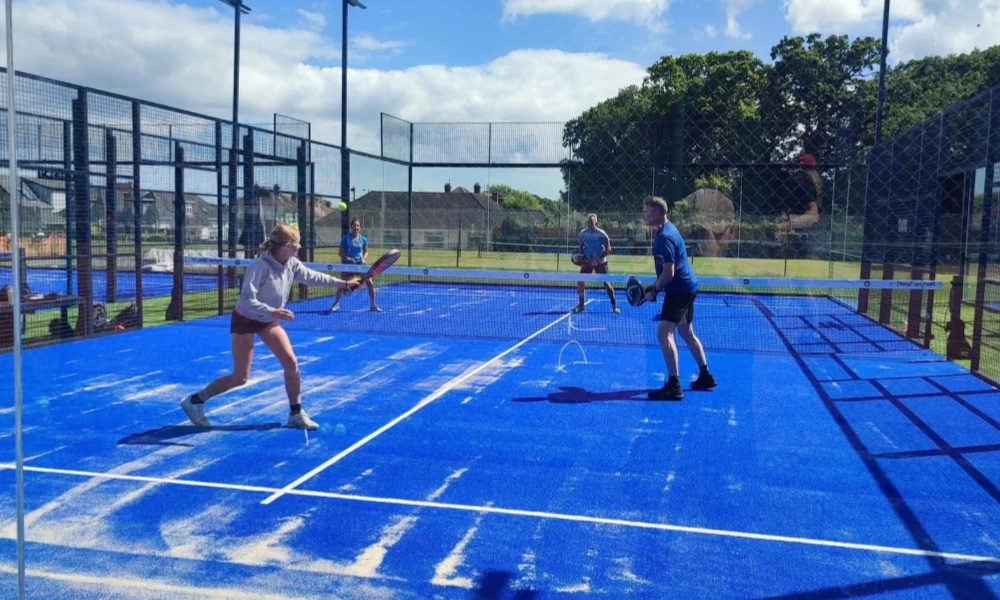
Main Cost Factors That Shape Your Padel Court ROI & Payback
Total project costs directly define your padel court payback period. Two big cost buckets determine your numbers: upfront capital expenditure and ongoing annual operating costs.
Upfront CAPEX for building padel courts in the UK
Per‑court investment varies by specification:
- Standard outdoor panoramic padel court: £55,000‑£100,000 per court (including frame, tempered glass, artificial turf, standard lighting)
- Indoor padel court installation: warehouse conversion reduces some groundwork costs, though building shell costs sit separate from court supply.
Additional one‑off costs to budget for: site groundworks, geotechnical surveys, planning permission application fees, site preparation, access routes and installation labour. Poor site conditions such as sloped land or poor soil quality can add significant unexpected cost per padel court. Working with an experienced padel court supplier like UNIPADEL helps you scope site risks early in your project.
Ongoing annual operating costs
- Regular padel court maintenance: turf inspection, glass and frame checks, cleaning
- Utility bills: lighting, power, heating (indoor venues)
- Insurance, business rates, rent or land lease cost
- Booking software subscription fees
- Marketing, coaching subcontractor fees and part‑time venue staffing
High‑quality durable padel court materials reduce long‑term maintenance spend, protecting your long‑term ROI. UNIPADEL supplies FIP‑compliant padel courts with hot‑dip galvanised steel frames, UV‑resistant artificial grass and certified tempered glass, built to withstand UK wet and windy weather conditions and lower lifetime operating costs.
Critical Factors That Can Make or Break Your Padel Court ROI
Even with well‑calculated spreadsheets, real‑world variables will move your padel court payback period up or down. These are the most impactful factors for UK padel investors:
- Location and local catchment population Proximity to target players, local competition level and land rental cost are decisive. Urban and suburban locations with large catchment populations generally deliver faster ROI than remote rural single‑court setups.
- Court utilisation rate Utilisation is the single biggest lever for padel court profitability. Target realistic occupancy: 50‑65% is solid for established commercial padel venues in the UK. Remember year‑one ramp‑up will produce lower utilisation before your venue builds its player community.
- Number of courts in your facility 3‑6 padel courts deliver far better economies of scale than a single court. Shared reception, car parking and site infrastructure spread fixed costs across multiple playing surfaces and improve overall ROI performance.
- Indoor / covered vs fully outdoor padel courts Roof‑covered or indoor padel courts remove weather‑related downtime, enabling bookings 12 months per year across UK winters, though initial capital spend is higher.
- Planning permission timeline & risks Planning delays push back your opening date, delay revenue generation and extend your payback period. Your padel court supplier should be able to provide technical documentation for your planning consultant submission. UNIPADEL provides full structural calculation documents for UK planning applications for our padel court systems.
How to Improve Your Padel Court Return on Investment
If you want to shorten your padel court payback period in the UK, follow these practical recommendations:
- Plan for multi‑court configurations where land and budget allow to benefit from economies of scale.
- Diversify revenue: build memberships, coaching academies and corporate event offerings alongside basic court hire.
- Choose high‑durable padel court systems: minimise expensive repair and replacement costs in years 2‑5. Low‑budget courts can look cheap upfront but hurt long‑term ROI via high maintenance.
- Optimise off‑peak time slots: junior padel sessions, corporate lunchtime bookings, discounted weekday rates to lift utilisation outside peak evenings and weekends.
- Complete site assessment early: run geotechnical surveys before committing to land lease to avoid unexpected ground‑work overspend.
- Work with an experienced padel court supplier familiar with UK market requirements, for correct specifications, planning‑ready technical files and reliable delivery.
The Zero-Groundworks Option: How the UNIPADEL Modular Foundation Changes the ROI Calculation
The CAPEX breakdown above reveals an uncomfortable truth for many UK padel investors: the court itself is not the expensive part — the groundworks are. At £30,000–£45,000+ per outdoor court in civil engineering costs alone (before the court hardware is even ordered), the foundation can consume more of the budget than the playing surface it supports.
The UNIPADEL Modular Foundation | Portable Base is designed specifically to remove this cost category from the budget.
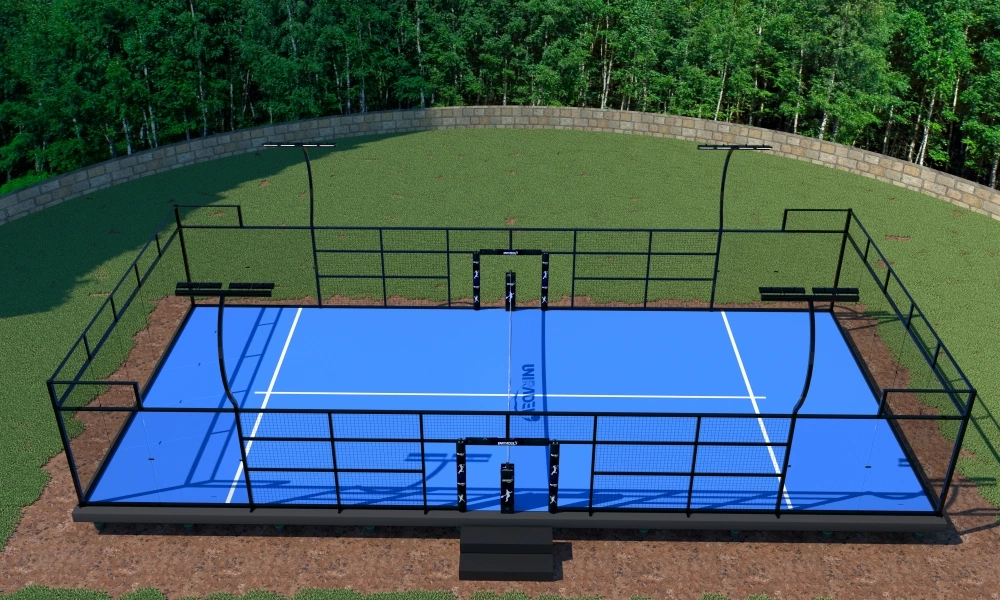
What it is: A precision-engineered interlocking steel platform system that replaces the traditional poured-concrete slab. The court is suspended above the existing surface — grass, compacted gravel, or any reasonably level terrain — using a structural platform rated to a maximum load-bearing capacity of up to 2,765 kg per leg. No ground is excavated. No concrete is poured. No 28-day curing period is required.
The direct ROI impact:
| Cost Driver | Traditional Concrete Foundation | UNIPADEL Modular Foundation |
|---|---|---|
| Foundation / groundworks | £30,000–£45,000 per court | £0 — eliminated |
| SuDS drainage infrastructure | £10,000–£20,000 additional | Substantially reduced |
| Precision flatness finishing | £3,000–£6,000 per court | Eliminated — 180mm adjustable supports self-level |
| Planning approval timeline | 8–16 weeks (engineering operation) | Reduced — demountable structure classification |
| Total civil cost saving per court | — | £40,000–£65,000+ per court |
Applied to the two scenarios above:
| Scenario A (4 courts, traditional) | Scenario A (4 courts, Modular Foundation) | |
| Groundworks CAPEX | £120,000 | £0 |
| Total CAPEX | £300,000 | ~£180,000 |
| Same EBITDA (£66,160/yr) | Payback ~4.5 years | Payback ~2.7 years |
Beyond the cost saving — the planning timeline advantage:
A conventional concrete-foundation padel court is classified as an engineering operation under UK planning law, which triggers a full planning application process of 8–16 weeks. Every week of planning delay is a week with no revenue from courts that have already been ordered and paid for.
Because the Modular Foundation involves no permanent ground excavation and no structural connection to the land, it qualifies as a temporary or demountable structure in most UK planning contexts. On qualifying sites, this classification can support a Lawful Development Certificate route rather than a full planning application — cutting weeks off your timeline to first booking.
For investors calculating padel court ROI, this is not just a cost question: it is a time-to-revenue question. A 10-week reduction in planning timeline, on a four-court facility generating £66,000 EBITDA per year, is worth approximately £12,700 in recovered revenue that would otherwise be lost to planning delays.
The asset value argument:
Unlike a concrete-foundation court — which is a fixture legally attached to the land and typically written off if the lease does not renew — the Modular Foundation is a fully demountable tenant's chattel. At lease end, the court relocates to the next site. The capital invested is not abandoned with the building — it moves with you.
For short-lease commercial sites (3–5 year retail units, school sites under licence, hotel grounds under seasonal agreement), this transforms padel court investment from a fixed sunk cost into a mobile depreciable asset — a fundamentally different ROI calculation.
Final Thoughts
Padel court ROI and payback period in the UK are not fixed numbers — they are driven by location, court count, business model, CAPEX structure, and the quality of your pre-construction planning.
The investors who achieve payback in 2–3 years share one characteristic: they model their financials in detail before committing capital, identify and eliminate avoidable cost categories, and choose infrastructure decisions that accelerate time-to-revenue rather than optimise on headline hardware price.
The three most impactful decisions at planning stage:
- Multi-court configuration — minimum three courts to achieve acceptable economies of scale
- Foundation strategy — eliminating groundworks costs through a modular system can save £40,000–£65,000+ per court and shorten payback by 1–2 years
- Planning route — demountable structures may qualify for a faster approval pathway, cutting weeks off your timeline to first booking
Whether you are expanding an existing sports club, developing a new padel venue, or converting unused land into padel facilities, UNIPADEL provides the full technical support package required for UK projects: structural calculation documents for planning applications, Modular Foundation systems that eliminate groundworks costs, and FIP-compliant court configurations built for UK weather and regulatory requirements.
Contact the UNIPADEL team for a site-specific ROI model, cost breakdown, and project timeline tailored to your UK investment.
FAQ: Padel Court ROI & Payback Period UK
Q1: What is the average payback period for a padel court in the UK?
A: Well‑run multi‑court commercial padel facilities in the UK typically achieve payback within 3‑5 years. Strong‑demand sites can reach payback in 2‑3 years, while single outdoor courts or highly‑competitive markets can extend to 5‑7 years.
Q2: Is investing in a padel court profitable in the UK?
A: Yes, padel remains one of the fastest‑growing racket‑sport investment opportunities in the UK, but profitability depends on location, utilisation, multi‑revenue streams and well‑controlled capital & operating costs. Not every padel venue automatically makes money.
Q3: Do indoor padel courts have better ROI than outdoor padel courts in the UK?
A: Indoor or roof‑covered padel courts generate more annual bookings by avoiding UK winter weather disruption. Higher upfront investment must be balanced against higher annual revenue when calculating payback.
Q4: Can a single padel court deliver good ROI in the UK?
A: Single padel courts face longer payback timelines. Most successful profitable padel business models in the UK are built around 3 or more courts to spread fixed site costs across multiple booking assets.
Q5: How do I calculate projected ROI for my own padel court project?
A: Work out total CAPEX, forecast weekly court utilisation and blended hourly rates, add projected secondary income (coaching, memberships, events), subtract all annual operating costs, then divide net annual profit by total capital investment to get your ROI percentage and payback timeline.
Q6: How does eliminating groundworks costs affect padel court ROI in the UK?
Groundworks are typically the largest single cost category in a UK outdoor padel project — often matching or exceeding the court hardware cost itself. Eliminating this cost line through a surface-mounted modular foundation system can reduce total CAPEX by £40,000–£65,000+ per court on outdoor builds, directly shortening payback period by 1–2 years on a multi-court facility.
Q7: What is the ROI impact of planning permission delays on a UK padel project?
Every week between capital commitment and first booking is a week of negative cash flow. On a four-court facility with a target EBITDA of £60,000–£70,000 per year, a 10-week planning delay costs approximately £11,500–£13,500 in lost revenue. Choosing a demountable court foundation — which may qualify for a faster Lawful Development Certificate route rather than a full planning application — directly reduces this risk.
Q8: Is a single padel court worth installing, or should I wait until I can build three or more?
The ROI mathematics strongly favour multi-court configurations. Site infrastructure costs (reception, car parking, planning fees, electrical connection) are largely fixed regardless of court count. Spreading these fixed costs across three or four courts can reduce per-court overhead by 30–40%. If capital or site constraints limit you to a single court initially, choose a demountable foundation system so you can scale up without repricing groundworks for each additional court.