Español
 Franch
  русский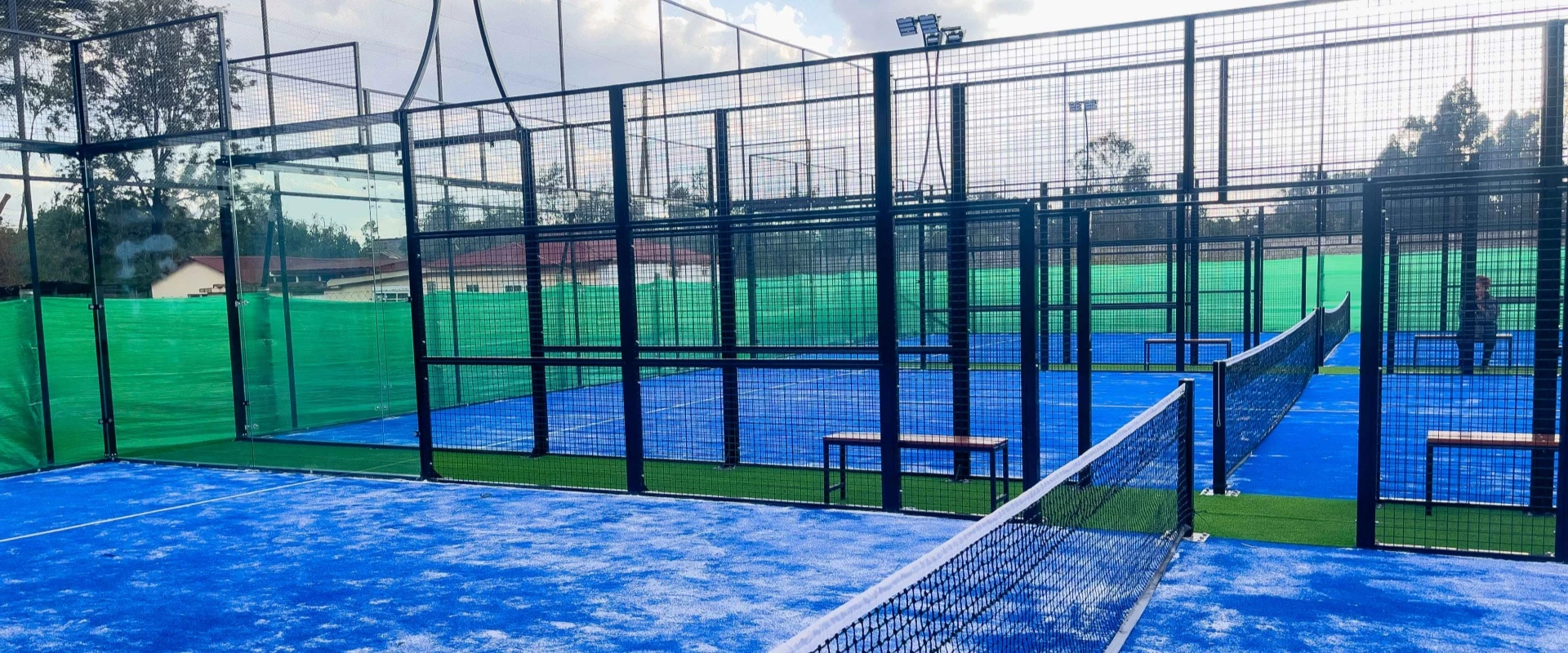
How to Choose a Padel Court Construction Company: The Ultimate Guide for Club Investors
Building a successful padel club requires a heavy initial investment. While it’s tempting to choose the supplier with the lowest quote, cutting corners on steel quality, groundworks, or wind-load engineering usually leads to rusted frames and shattered glass within the first two years of operation.
If you are planning a multi-court facility, you aren't just buying equipment—you are looking for a reliable padel court construction company that can guarantee structural safety, on-time delivery, and FIP (International Padel Federation) compliance.
Here is the professional buyer’s checklist on how to vet potential manufacturers and builders.
1. Do They Specialize in Commercial Padel Court Construction?
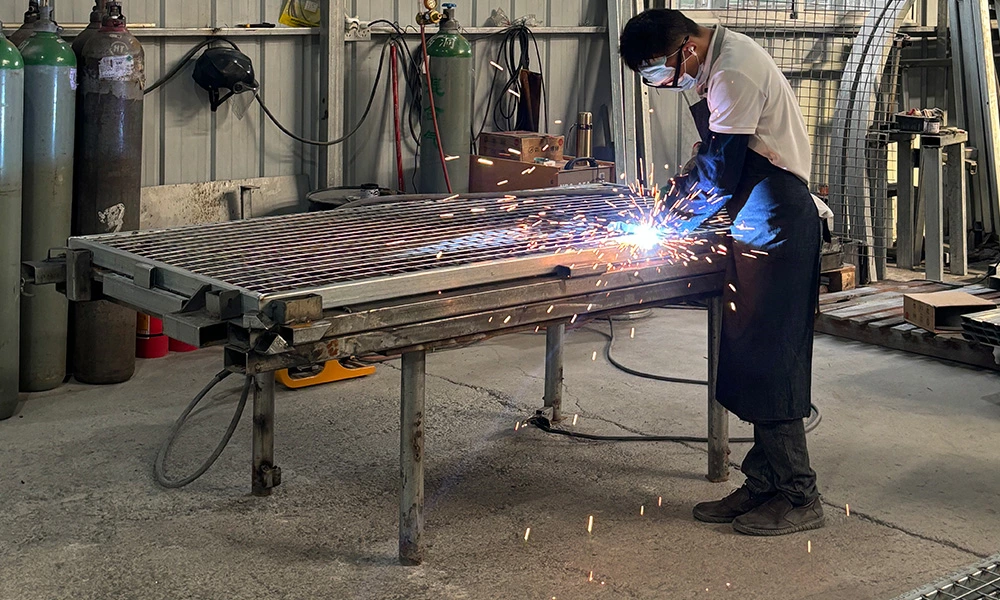
There is a massive difference between setting up a single backyard court and executing commercial padel court construction for an 8-court indoor arena. Commercial clubs host matches 12 to 16 hours a day, meaning the wear and tear on the turf, mesh, and doors is intense.
What to verify:
-
Steel Treatment: Do they use standard powder coating, or do they mandate hot-dip galvanization followed by electrostatic painting? (Essential for outdoor and coastal clubs).
-
Glass Specs: For commercial panoramic courts, standard 10mm glass isn't enough. Demand 12mm tempered safety glass (EN 12150-1 standard) to handle constant body impacts.
-
Turf Density: Ask if they supply texturized (curly) monofilament grass. It requires less silica sand maintenance and offers better grip for high-frequency club play.
2. How Do They Work with Local Padel Court Contractors?
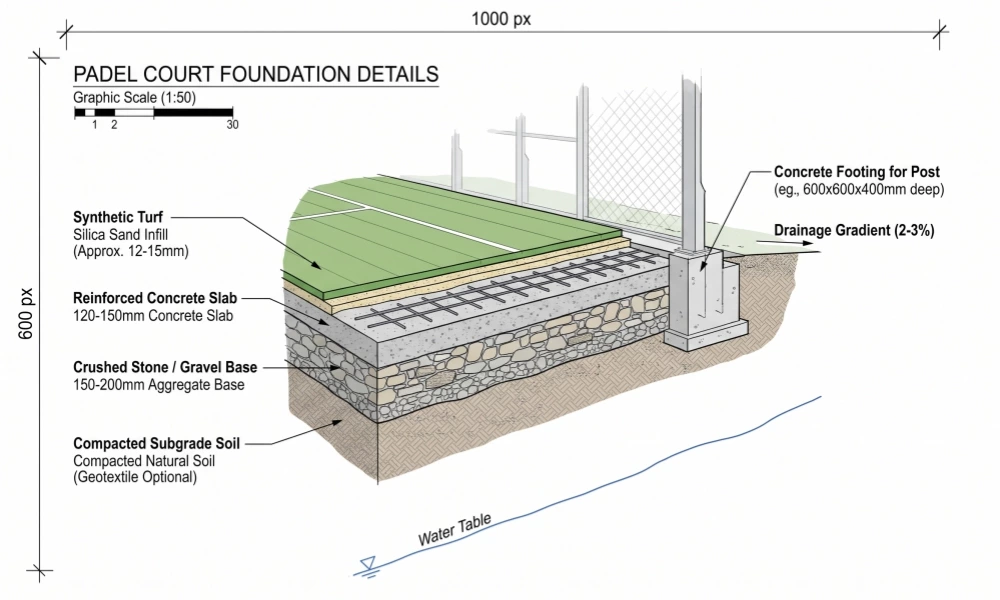
Unless you are buying a 100% turnkey local solution, you will likely divide the project: a local civil engineering crew will handle the concrete slab, and the manufacturer will supply and install the superstructure.
The biggest point of failure in padel projects is the disconnect between the factory and the local padel court contractors.
A top-tier manufacturer will bridge this gap by providing:
-
Detailed Foundation Drawings: Specific concrete thickness (usually 15cm-20cm reinforced concrete) and specific drainage slope requirements (0.3% to 0.5%).
-
Anchoring Layouts: Exact coordinates for expansion bolts or pre-embedded base plates so your local groundworkers don't drill blindly into post-tension cables.
-
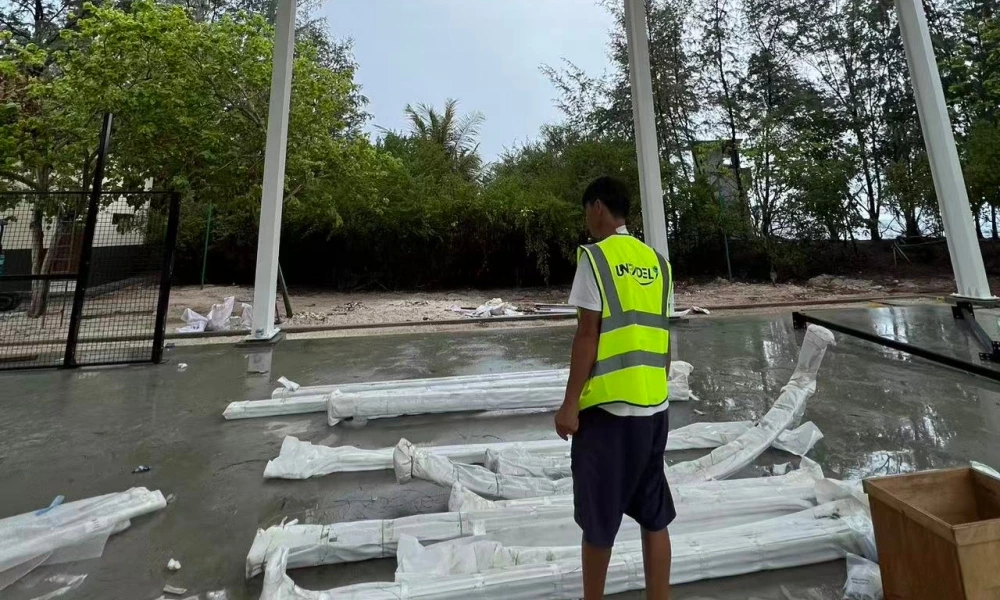
Installation Supervision: Can they send a technical supervisor to your country to guide your local labor force during assembly? At UNIPADEL, our engineers frequently travel to sites in Southeast Asia, the Middle East, and Europe to ensure flawless execution.
3. Do They Offer a Comprehensive Padel Court Builder Consultation?
Never trust a company that sends you an invoice before looking at your site plan. A professional project should always begin with a detailed padel court builder consultation.
During this pre-build phase, the manufacturer’s engineering team should review:
-
Wind Load & Structural Engineering: If you are building outdoors in a hurricane-prone area or on a commercial rooftop, the columns and base plates must be reinforced.
-
Space Optimization: Analyzing your DWG floor plans to maximize the number of courts while maintaining safe player walkways and FIP-required out-of-court play zones.
-
Lighting Design: Ensuring the LED column placement doesn't create blinding glare for players or violate local light pollution ordinances for neighboring residential areas.
4. Factory-Direct Control vs. Middlemen Brokers
Many companies claiming to be padel builders are simply marketing agencies white-labeling products from various factories. Working directly with a source manufacturer gives you three distinct advantages:
-
Quality Control: Direct oversight of the welding and galvanization process.
-
Customization: Ability to match frame colors, mesh protectors, and turf colors to your specific club branding.
-
Replacement Parts: If a glass panel breaks or a net post is damaged three years from now, a real factory has your original blueprints and can ship a precise replacement immediately.
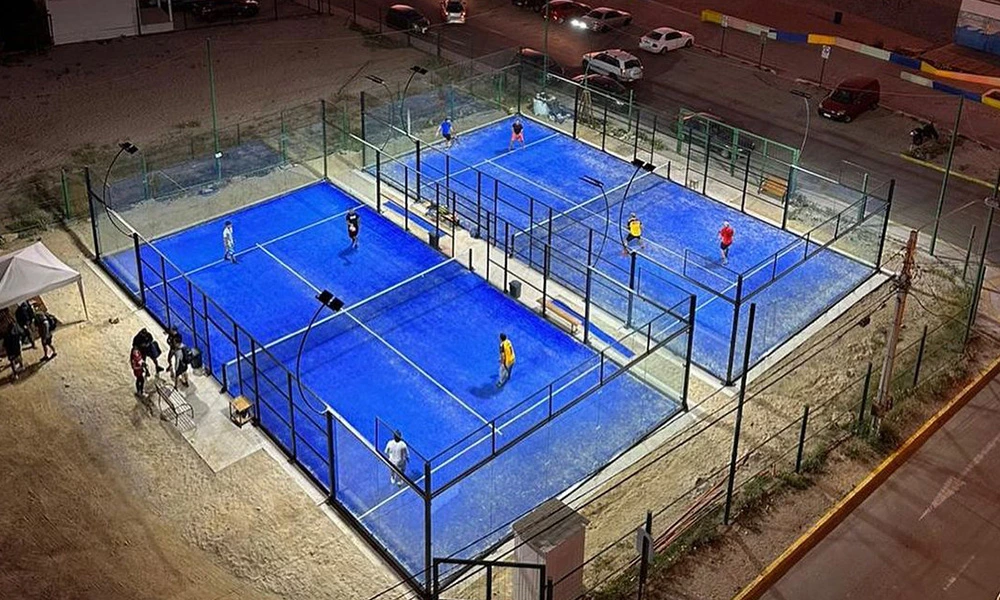
Specific steps for selecting a padel tennis court supplier
Choosing a high-quality supplier means that the project has a high starting point from the beginning. The following is a systematic selection process for reference by project leaders, club operators or individual investors:
Step 1: Clarify site requirements and budget
Before communicating with suppliers, determine the following questions:
Is the plan to build an indoor or outdoor court?
Is it expected to build a panoramic, super panoramic or canopy structure court?
What is the project budget? Does it include transportation and installation costs?
Clarifying the needs will help narrow the selection range and facilitate suppliers to quickly quote.
Step 2: Screen suppliers with international experience
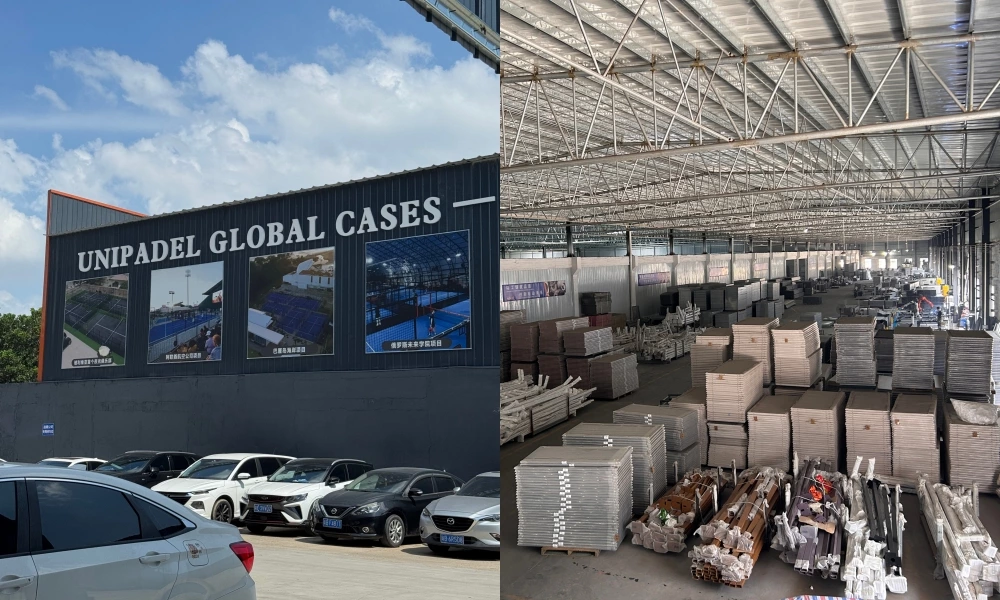
Paddle tennis courts are a global industry. It is recommended to give priority to brands with overseas project experience, such as UNIPADEL, which has built more than 100+ cases in Europe, America, the Middle East, Africa, South America and other countries.
International experience means a more stable delivery process, a more complete document system, and stronger risk response capabilities.
Step 3: Compare product quality and quotation plan
After determining several suppliers of initial intention, learn more about what they provide:
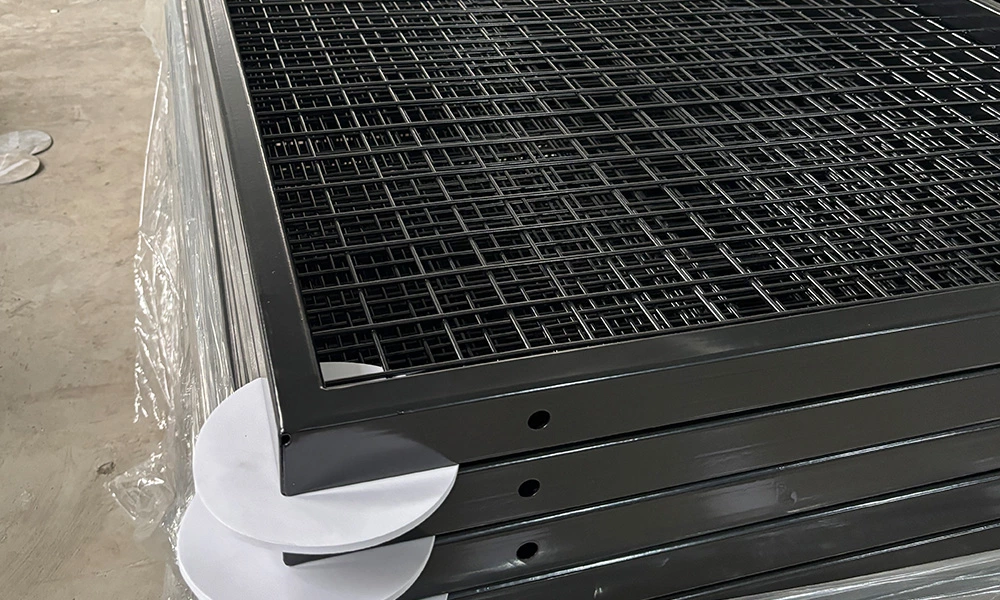
Material quality (such as steel thickness, glass safety level, artificial turf density)
Accessory details (such as screw anti-rust treatment, LED lighting system, fence technology)
Freight, taxes and installation support plan
Carefully compare the contents of the quotation sheet, be wary of "low price traps", and avoid higher costs due to cutting corners or inadequate service in the later stage.
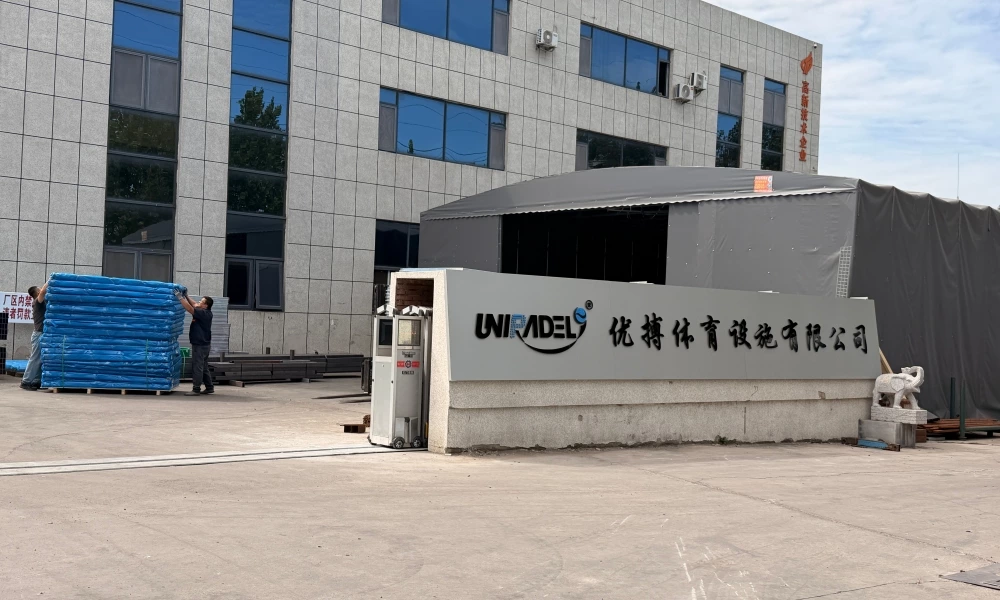
Step 4: On-site or remote inspection of the factory and production process
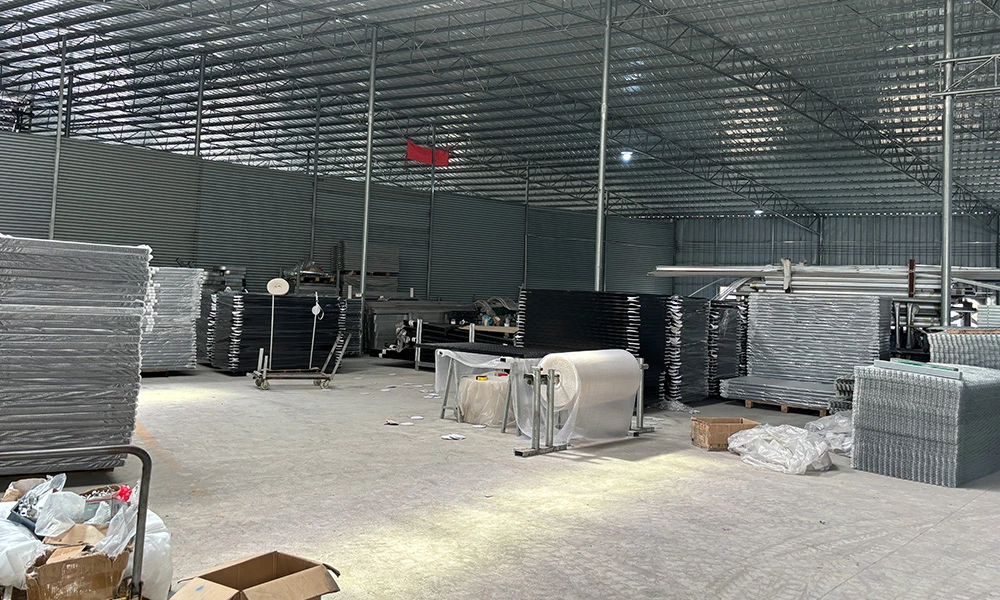
If conditions permit, you can visit the factory on site to evaluate its production capacity and loading process; if it is inconvenient to travel, you can also request an online video factory tour or view the real photos of the workshop to confirm its authenticity and professionalism.
Step 5: Sign a clear and complete purchase contract
Make sure that the contract clearly states details such as delivery standards, payment nodes, after-sales terms, transportation arrangements and breach of contract liability. A clear contract can effectively protect the rights and interests of both parties and avoid subsequent disputes.
Ready to Plan Your Padel Club?
Choosing the right partner means the difference between a club that requires constant maintenance and one that generates steady ROI for a decade.
Before you break ground, speak with the engineers at UNIPADEL.
Request a Free Builder Consultation & Site Plan Review
We provide free floor plan reviews and structural recommendations for commercial projects worldwide.